KAPOOR KACHRI – Hedychium spicatum — Aromatic Root From The Mid-Himalayan Slopes
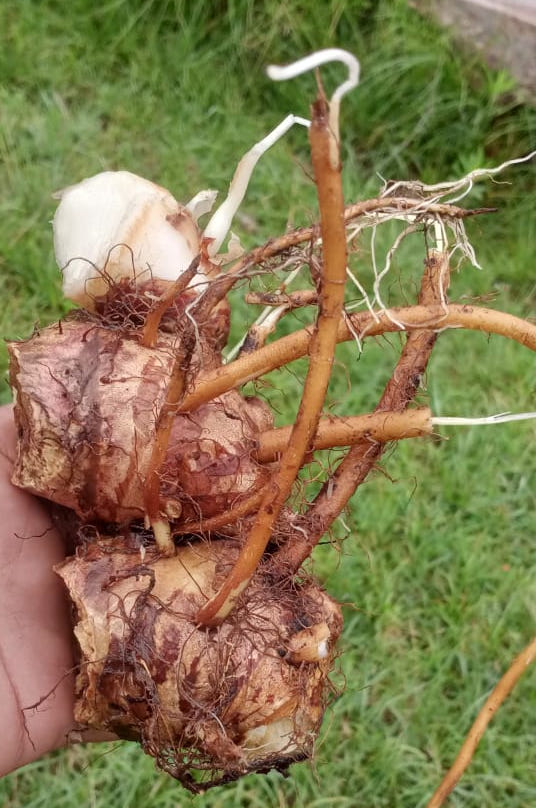
Kapoor Kachri, also known as Hedychium spicatum, is a fragrant rhizome from the ginger family (Zingiberaceae), native to the Himalayan region. Known for its warm, spicy aroma and wide range of medicinal uses, it has been a staple in Ayurvedic and folk medicine for generations. Hedychium spicatum Sm. belongs to Zingiberaceae family and is used medicinally. Common Names For This Plant Include SPIKED GINGER LILY (English), VAN HALDI OR KAPOOR KACHARI (Hindi), And SHATI (Sanskrit)
🌍 Common Names Across Cultures
LANGUAGE LOCAL NAMES
English Spiked ginger lily, Perfume ginger, Zedoaery
Hindi Kapur kachri, Sitruti, Kachoor, Van haldi
Sanskrit Palashi, Shatgrantha Subratha, Gandhmulika, Gandharika, Gandhvadhu,
Bengali Kapurakachri, Shati, Kachri
Gujrati Kapurkachli, Kapurkachari, Kapur krachari
Kannada Gandhasati, Seenakachora, Kachora, Kacchura
Malayalam Katcholam
Oriya Gandha sunthi
Punjabi Khor, Kachoor, Kachur
Tamil Poolakizhangu, Kichilikizhangu
Telugu Gandha Kachurala
Kashmir Kapurkachara
Marathi Kapurkachri, Gabla kachari
Assamese Katuri, Sati
Arabic Jaramdada
At Kyo Naturals, our Kapoor Kachri is both wild-harvested and cultivated by small farmers at elevations above 1500 meters in the Kangra district, of Himachal Pradesh, under the shadow of the Dhauladhar mountain range. The rhizomes are carefully dug, cleaned, shade-dried, and processed by hand to retain their full potency and aromatic profile.
Traditional Uses & Benefits
RESPIRATORY SUPPORT – Natural expectorant for cough, asthma, and congestion
DIGESTIVE AID – Helps relieve gas, bloating, and sluggish digestion
ANTI-INFLAMMATORY – Used to ease joint pain and muscle soreness
EXTERNAL APPLICATION – Beneficial in massage oils for swelling and stiffness
AROMATIC USES – Popular in natural perfumery, hair oils, and skin care
Kapoor Kachri offers the perfect blend of therapeutic value and natural fragrance, making it a sought-after ingredient in herbal formulations, aromatherapy blends, and cosmetic products.
Distribution:
The species occurs in subtropical and sub-temperate Himalayan region in oak (Quercus spp.) and deodar (Cedrus deodara) forests on slopes between 1500 m and 2500 m altitudes. Crop Maturity And Harvesting : The Crop Is Biennial When Planted Through Rhizomes, And Hence, Matures In Second Season During October–November, Depending Upon The Elevation. Dried Leaves And Stalks Are Removed After They Turn Yellow, While Rhizomes Are Left In Soil For About 20–25 Days For Ripening Before Being Dug Out.